Taking the Ordinary Seriously
When Pop Art emerged in the 1950s and hit full stride through the 1960s, its most provocative move wasn't stylistic — it was a choice of subject. Artists in the movement looked at soup cans, comic strips, celebrity portraits, and cocktail glasses and decided these deserved the same bold visual treatment as a still life or a landscape. The message was almost cheeky: consumer culture *is* our culture, so let's paint it like it matters.
A Martini as Composition, Not Just Drink
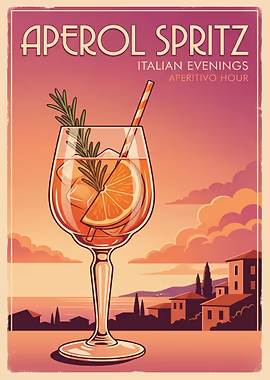
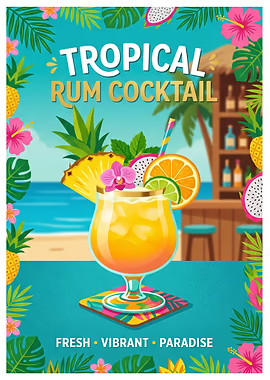
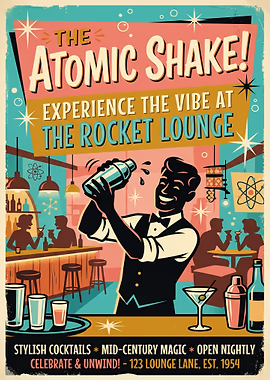
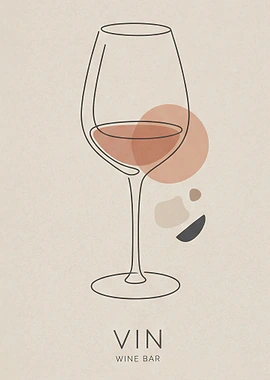
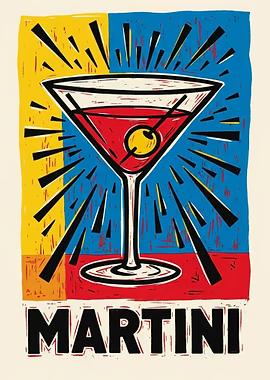
The martini glass has become one of the most reused silhouettes in Pop and retro graphic art, for a simple compositional reason: its clean V-shape, the single olive as a focal point, and the high contrast between glass and liquid make it an almost perfect graphic subject. Rendered in flat, saturated color blocks with bold outlines — the piece shown here — it stops being 'a drink' and becomes a shape, a mood, a scene from a whole era of design.
Why This Style Still Works on a Wall
Pop Art's flat color fields and heavy outlines were partly a product of the screen-printing techniques the movement favored — but that same simplicity is exactly what makes it read so well at a distance, on a wall, in a room full of other objects. It's graphic enough to anchor a space without demanding the close, quiet attention a painting might. That's a large part of why retro cocktail and Pop Art prints remain a go-to choice for bars, lounges, and kitchens six decades after the movement's peak.